


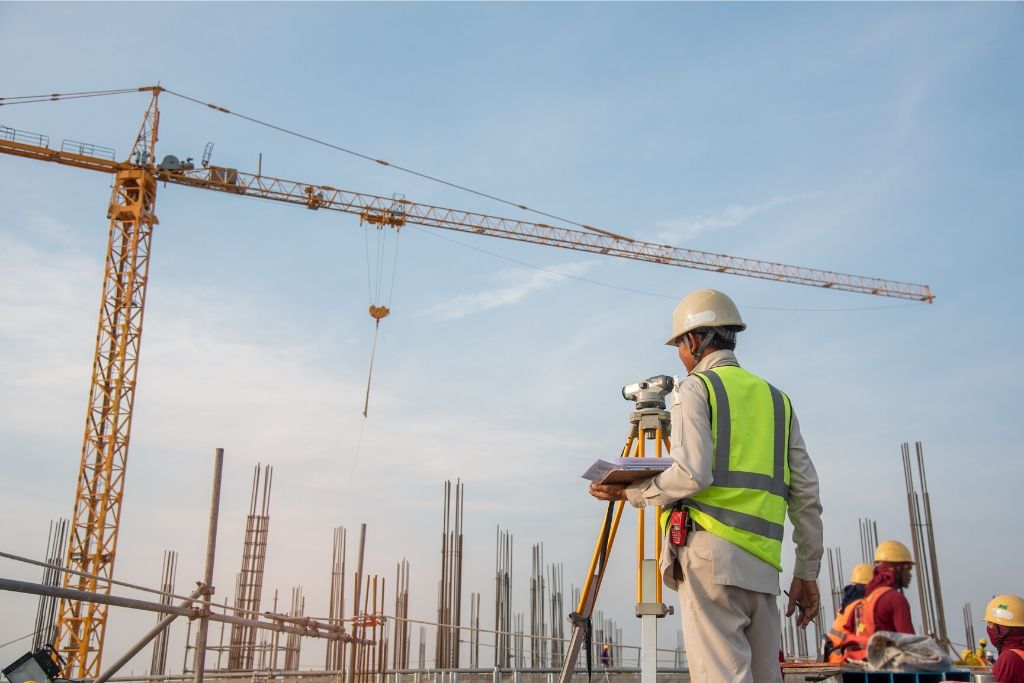
- Southeast Florida ranks first in the United States for multifamily construction activity, with 36,290 units under construction as of Q4 2025, adding 9% to the region's existing housing stock.[1]
- Construction contributed $101 billion to Florida's GDP in 2024, representing 5.7% of the state total.[2]
- Florida employed 657,000 construction workers as of July 2025, up 14% from pre-pandemic levels.[2]
- Hurricane compliance, flood zone regulations, and a competitive subcontractor market add complexity that demands well-prepared project leaders.
- Everglades University's construction management programs are available online and on campus across South Florida, designed for working adults.
If you’re working in construction in South Florida, you already know the market is unlike anywhere else in the country. The pace is fast, the projects are large, the regulatory environment has layers that most other states don’t have, and the pool of qualified managers consistently runs behind the volume of work available. That last part matters — it means there’s real opportunity here for professionals who are prepared for it.
This article covers what makes South Florida’s construction market distinct, what it actually demands from project managers and leaders, and how education translates into career positioning in this specific market. Everglades University’s Construction Management programs are taught in Florida, designed around the regulatory and market conditions professionals here actually face.
South Florida's expanding construction market
South Florida, including Miami-Dade County and the surrounding tri-county area, continues to experience steady activity in both residential and commercial construction. Multifamily housing, mixed-use developments, and infrastructure improvements are key factors driving this demand.
Southeast Florida ranks first in the United States for multifamily construction activity, with 36,290 units under construction as of Q4 2025, adding 9% to the region’s existing housing stock.[1] Industrial developments and logistics facilities are also expanding to support trade, e-commerce, and regional distribution, requiring effective coordination among general contracting teams, engineers, and regulatory agencies.
Key components of construction management
Managing construction projects in South Florida extends beyond supervising job sites. It involves strategic planning, financial management, and leadership across multidisciplinary teams.
Preconstruction planning and budgeting
Effective preconstruction budgeting is essential in a region where material costs, labor availability, and regulatory requirements can shift. The planning process typically includes cost estimation and forecasting, scheduling timelines for phased development, evaluating site conditions and environmental factors, and coordinating with EPA-certified professionals when required.
Project coordination and leadership
Construction managers lead teams that include general contractors, civil engineers, architects and designers, and subcontractors and inspectors. Leadership in construction requires clear communication, conflict resolution, and consistent alignment with project objectives across all participants.
Regulatory compliance and inspections
South Florida’s regulatory environment requires careful adherence to permitting regulations, zoning requirements, and regular inspections. Construction managers must navigate local building codes, environmental compliance standards, and hurricane and flood mitigation requirements. Failure to meet these standards can result in project delays, financial penalties, or the need for redesign.

Market challenges facing South Florida construction
Labor shortages and workforce gaps
Demand for skilled labor continues to outpace supply, contributing to delays and increased costs. Industry data consistently shows that a majority of construction firms report difficulty filling open positions, reflecting ongoing challenges in meeting workforce demand. This reinforces the importance of preparing professionals who combine technical expertise with managerial skills.
Rising material and operational costs
Fluctuations in material pricing and supply chain disruptions have made cost control a critical priority. Construction firms must manage procurement strategies carefully and adjust budgets as conditions change, particularly in a market where development activity remains high across multiple project types simultaneously.
Regulatory and environmental pressures
South Florida’s exposure to natural disasters, including hurricanes and flooding, adds complexity to construction planning. Projects must incorporate resilience measures such as elevated structures, reinforced materials, and stormwater management systems. Understanding the disaster management cycle is increasingly relevant for construction professionals operating in the region.
Trends shaping construction in 2026 and beyond
Continued multifamily and mixed-use demand
Population growth continues to drive demand for housing, particularly in urban areas. Multifamily developments remain a key focus, supported by strong investment activity and continued migration to the region from domestic and international markets.[1] Florida’s Live Local Act, which offers density incentives to developers who allocate a share of units to workforce housing, is expected to sustain multifamily pipeline activity over the coming years.
Integration of technology in construction management
Digital tools are becoming standard in construction planning and execution. Project management software, Building Information Modeling (BIM), and real-time reporting systems are improving efficiency, reducing errors, and enhancing communication among project teams. Professionals entering the South Florida market are expected to be comfortable with these platforms.
Sustainability and environmental compliance
Environmental considerations are increasingly embedded in project planning. Developers across the tri-county region are adopting sustainability standards and integrating energy-efficient designs that align with regulatory expectations and community planning initiatives. LEED certification knowledge is increasingly valued by firms operating in this market.
EU's curriculum is built around the South Florida market, available online or on campus.
Explore the programsThe role of general contractors in project success
General contractors serve as the central coordinators for most construction projects. Their responsibilities include managing subcontractors, ensuring compliance with safety standards, overseeing timelines and budgets, and coordinating inspections and approvals. In South Florida, general contractors must also account for regional factors such as hurricane season scheduling, permitting timelines in high-density urban environments, and navigating the competitive labor market for specialty trades.
Residential vs. commercial construction in South Florida
Residential construction
Residential projects in the region span single-family homes, luxury waterfront properties, and large-scale multifamily developments. These projects often require a high degree of customization, especially in high-end markets, and must comply with local zoning and environmental regulations that are among the most detailed in the country.
Commercial construction
Commercial construction includes office buildings, retail centers, hospitality developments, healthcare facilities, and industrial facilities. These projects typically involve larger budgets, longer timelines, and more complex coordination between owners, architects, engineers, and multiple trade contractors.
Leadership in South Florida construction
Managing a construction project in South Florida is not the same as managing one in Atlanta or Denver. The hurricane season calendar compresses certain phases of work. Miami-Dade’s permitting process is among the most detailed in the country. The subcontractor pool is competitive, which means relationships matter as much as price. And the mix of residential, hospitality, commercial, and infrastructure projects running simultaneously creates a labor environment that rewards managers who plan well in advance.
Construction leaders here are responsible for making quick decisions with incomplete information — on safety, on scope changes, on inspector findings — while keeping owners, architects, and finance teams aligned. The professionals who advance are those who can hold all of that at once without losing the thread of the actual project.
South Florida's construction market rewards preparation. The regulatory environment, the labor market, and the project scale all punish managers who are learning on the job at the wrong moment.

Educational development and career preparation
As the construction industry continues to evolve, there is a growing need for professionals with both technical knowledge and leadership skills. Educational programs focused on construction management support this need through structured learning in budget management, construction law and regulations, project scheduling, and team coordination.
Everglades University supports this pathway through programs available 100% online or on campus. Campus locations include the Miami Campus, Boca Raton Campus, Tampa Campus, Orlando Campus, and Sarasota Campus.
Learn more about the Construction Management programs at Everglades University or speak with the admissions team to explore your options.
Take the next step
Learn more about how Everglades University prepares construction leaders for the South Florida market.
Request informationFrequently asked questions
Why is construction booming in South Florida?
South Florida's construction market is driven by population growth, domestic and international migration, infrastructure investment, and commercial development. The region consistently ranks among the top U.S. markets for multifamily residential and mixed-use construction activity.
What are the biggest challenges in South Florida construction?
Key challenges include hurricane and wind-load requirements, rising material and labor costs, permitting timelines, flood zone regulations, and a competitive subcontractor market. Environmental considerations, particularly in coastal areas, also add regulatory complexity to projects.
What types of construction are most common in South Florida?
South Florida sees high activity across multifamily residential, mixed-use commercial, hospitality, healthcare, and infrastructure projects. Data center construction has also grown significantly in recent years, driven by technology sector expansion across the region.
How does a construction management degree help in the South Florida market?
A construction management degree equips professionals with the project planning, budgeting, contract, and safety knowledge needed to navigate the region's complex regulatory environment. Everglades University's programs include coursework aligned with Florida building standards and sustainable construction practices relevant to the local market.
What construction management degrees does Everglades University offer?
Everglades University offers a Bachelor of Science Degree with a major in Construction Management, a Master's Degree in Construction Management, and an MBA with a Concentration in Construction Management. All programs are available 100% online or on campus.


- MIAMI Association of Realtors. Southeast Florida Ranks No. 1 in the U.S. For Most Multifamily Construction. January 28, 2026. miamirealtors.com
- Associated General Contractors of America. The Economic Impact of Construction in the United States and Florida. September 2025. agc.org