


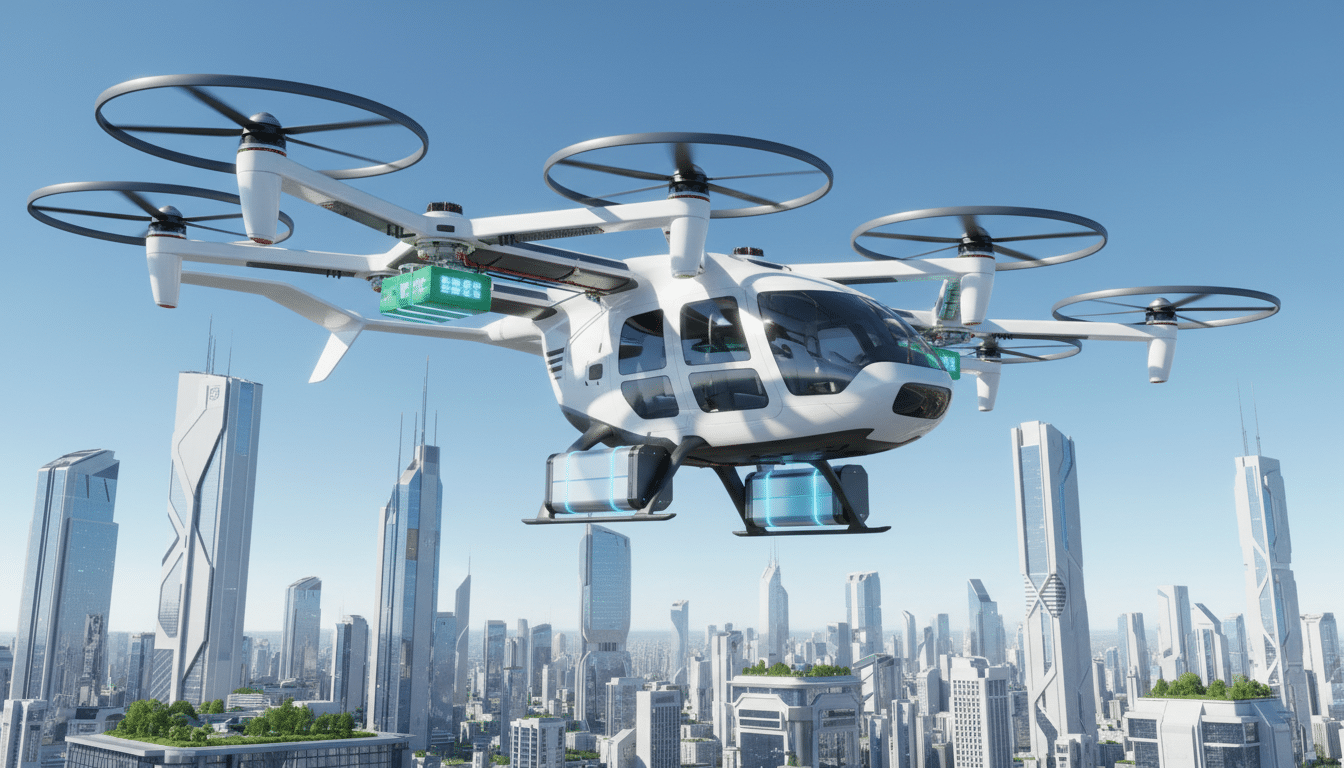
lectric aircraft are no longer a concept in a brochure, they are certified, flying, and entering commercial service faster than most aviation professionals anticipated. From battery electric trainers deployed at flight schools to eVTOL air taxis completing FAA certification milestones, electric aviation is actively reshaping what it means to work in aviation. If you hold an FAA A&P certificate and have built your career in aircraft maintenance, understanding what this shift means for your future is not optional, it is essential.
What follows breaks down the state of electric aircraft technology, what it demands from maintenance professionals, and how aviation degree programs at Everglades University support career-focused learning for aviation’s next generation of leaders.
Key Takeaways
- Electric aircraft include full-electric, hybrid-electric, and hydrogen-electric types, each with distinct propulsion systems and maintenance demands.
- The aviation industry faces a global shortage of qualified maintenance technicians, with 416,000 new AMTs needed over the next decade.
- Electric propulsion systems introduce new skill requirements: high-voltage battery management, electric motor servicing, and digital diagnostics.
- Aviation professionals who combine technical credentials with management education may be better prepared to pursue leadership roles in maintenance operations as the industry evolves.
A New Era in Electric Aviation Is Already Here
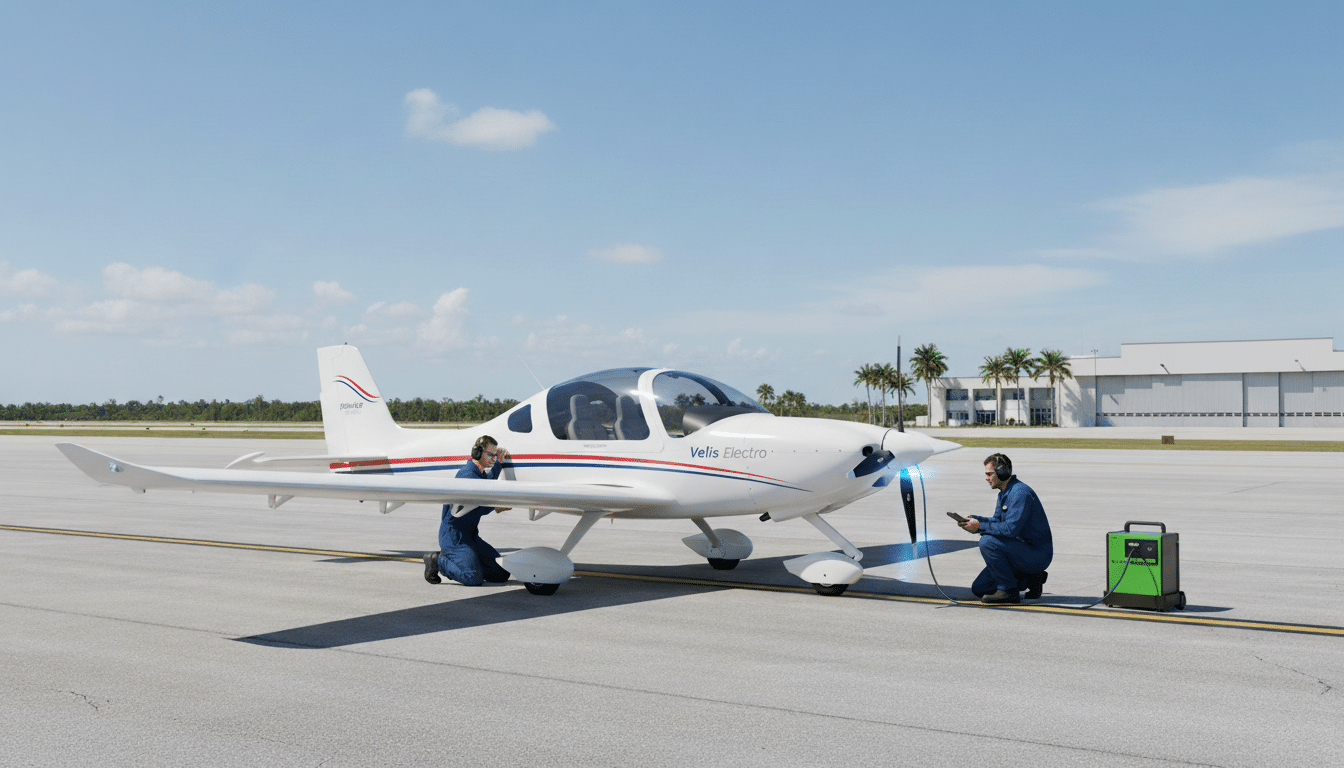
An electric aircraft, at its core, is an aircraft powered by electrical energy rather than traditional aviation fuel. That definition covers a broad and rapidly expanding range of technology, and the aircraft embodying it are already in the air.
Electric aircraft fall into three main categories. Full-electric or battery electric aircraft rely exclusively on electrical energy stored in batteries, typically lithium-ion batteries, to power their propulsion system. Hybrid-electric aircraft use a combination of fossil fuel and electrical energy storage to optimize energy efficiency and reduce fuel consumption across different phases of flight. Hydrogen-electric aircraft use hydrogen fuel cells to generate electricity, which then powers the electric motor or motors driving the plane forward.
A fourth category, electric vertical takeoff and landing aircraft, or eVTOLs, uses electric power to hover, take off, and land vertically, before transitioning to more efficient winged flight during cruise. This vertical take off capability is driving enormous development activity, with companies like Joby Aviation, Archer Aviation, and BETA Technologies targeting urban mobility markets with short, near-silent routes through city airspace.
The timeline is not speculative. The Velis Electro became the first electric aircraft to secure EASA type certification on June 10, 2020. BETA Technologies’ Alia CX300 completed its first passenger flight in North America on June 3, 2025, and has now logged over 100,000 nautical miles flown. Heart Aerospace’s ES-30, a 30-passenger plane, conducted its first fully electric flight in 2025. These are operational milestones in a commercial transition already underway.
How Electric Motor and Aircraft Propulsion Systems Work
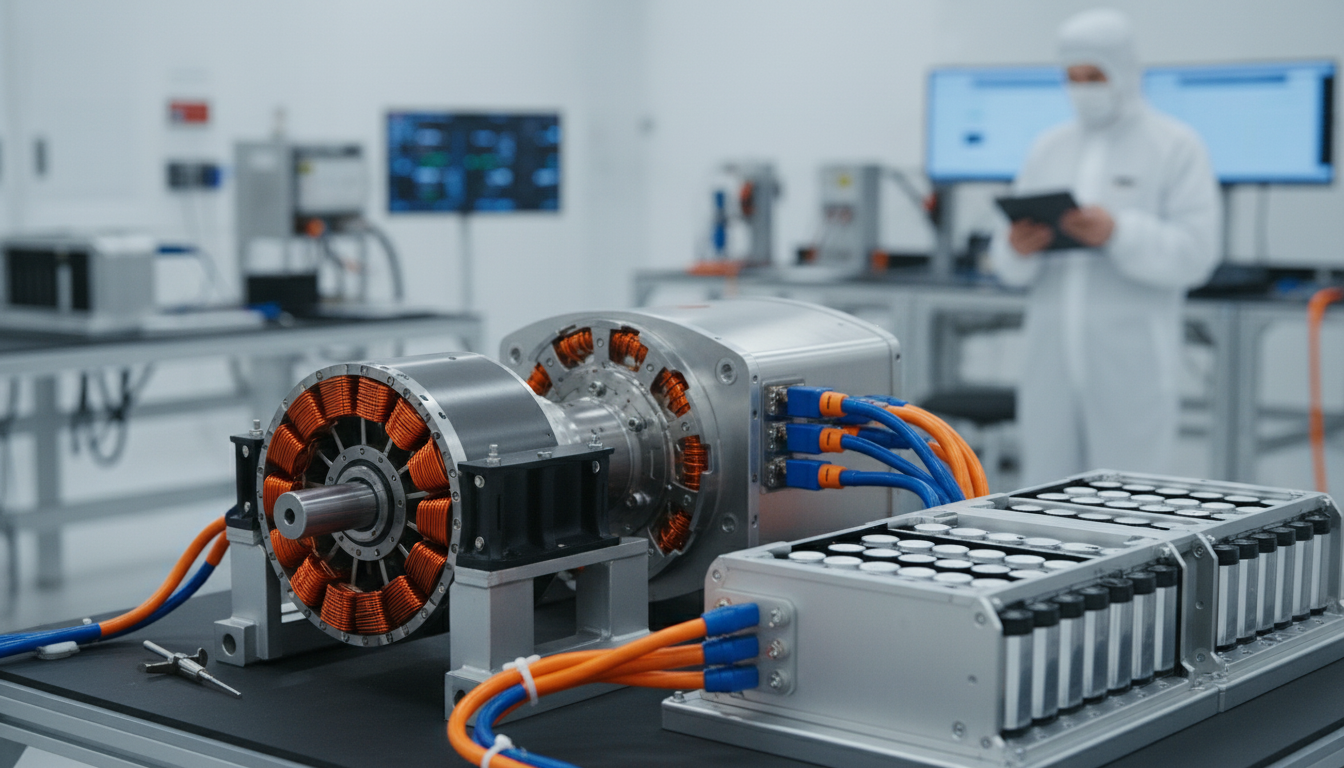
For maintenance professionals, the critical shift is in the aircraft propulsion system itself. Traditional aircraft convert aviation fuel into mechanical energy through combustion inside jet engines or piston engines. Electric propulsion replaces or supplements that process with an electric motor, which converts electrical energy from a battery or fuel cell directly into mechanical energy, with no combustion step involved.
This change has meaningful implications. Electric motors do not lose power with altitude the way internal combustion engines do, which improves performance at higher elevations. Electric motors also have considerably fewer moving parts than fuel combustion engines, which changes the nature of maintenance work and the frequency of many interventions. Fewer components means certain failure modes disappear entirely. But electric flight does not make maintenance simple. It makes it different.
A complete electric propulsion system typically includes motor controllers, cooling systems, gearboxes where applicable, battery management electronics, and power distribution architecture. Permanent magnet synchronous motors (PMSMs) are being actively developed to improve efficiency and reduce weight. Researchers are also exploring superconducting materials to increase the output-to-weight ratio of electric motors, an approach that could further reduce weight while boosting output, making them viable for larger aircraft and longer routes.
The hybrid electric configuration adds another layer of complexity. In a hybrid configuration, a conventional powerplant works alongside an electric propulsion system, enabling the aircraft to draw on electric power during high-demand phases like takeoff, reducing peak fuel consumption, and to manage energy storage during cruise. The development of hybrid-electric propulsion systems is one of the most active areas in aviation engineering right now, with programs like the Airbus EcoPulse completing 100 hours of test flights across 2023 and 2024.
Moving Away From Fossil Fuel: The Electric Aircraft Market Today
The electric aircraft market was valued at $5.62 billion in 2025 and is projected to reach $9.96 billion by 2030, advancing at a 12.13% compound annual growth rate. eVTOL platforms are recording the highest growth within the broader aircraft electrification space, tracking a 15.65% CAGR through 2030.
The scale of that growth, from electric flight trainers entering general aviation, to battery electric aircraft operating regional routes, to fully electric aircraft targeting narrowbody configurations, reflects a broad structural shift across the aviation industry. By 2040, analysts project approximately 12,000 eVTOL deliveries annually, rising to 33,000 by 2050. Some forecasts suggest that by 2050, up to 38% of the global fleet could be running on alternative propulsion systems, including battery-electric and hydrogen-electric technologies.
Major aerospace companies are not watching from the sidelines. Rolls-Royce’s Spirit of Innovation, also known as the ACCEL program, reached a top speed of 555.9 km/h during test flights in 2021. ZeroAvia has been operating a Dornier 228 powered by a hydrogen-electric engine since 2023. Wright Electric is developing electric planes targeting short-haul routes, while programs advancing electric aviation run simultaneously across manufacturers, startups, and research institutions worldwide.
Aviation already accounts for 2.4% of all fossil fuel-derived CO2 emissions, and electric aircraft are projected to have the potential to eliminate 33% of total aviation emissions from flights under 1,300 km. The environmental case for the transition is clear, and it is adding regulatory momentum to market momentum, driving faster adoption of sustainable aviation technologies across the industry.
What This Shift Means for Aviation Industry Professionals
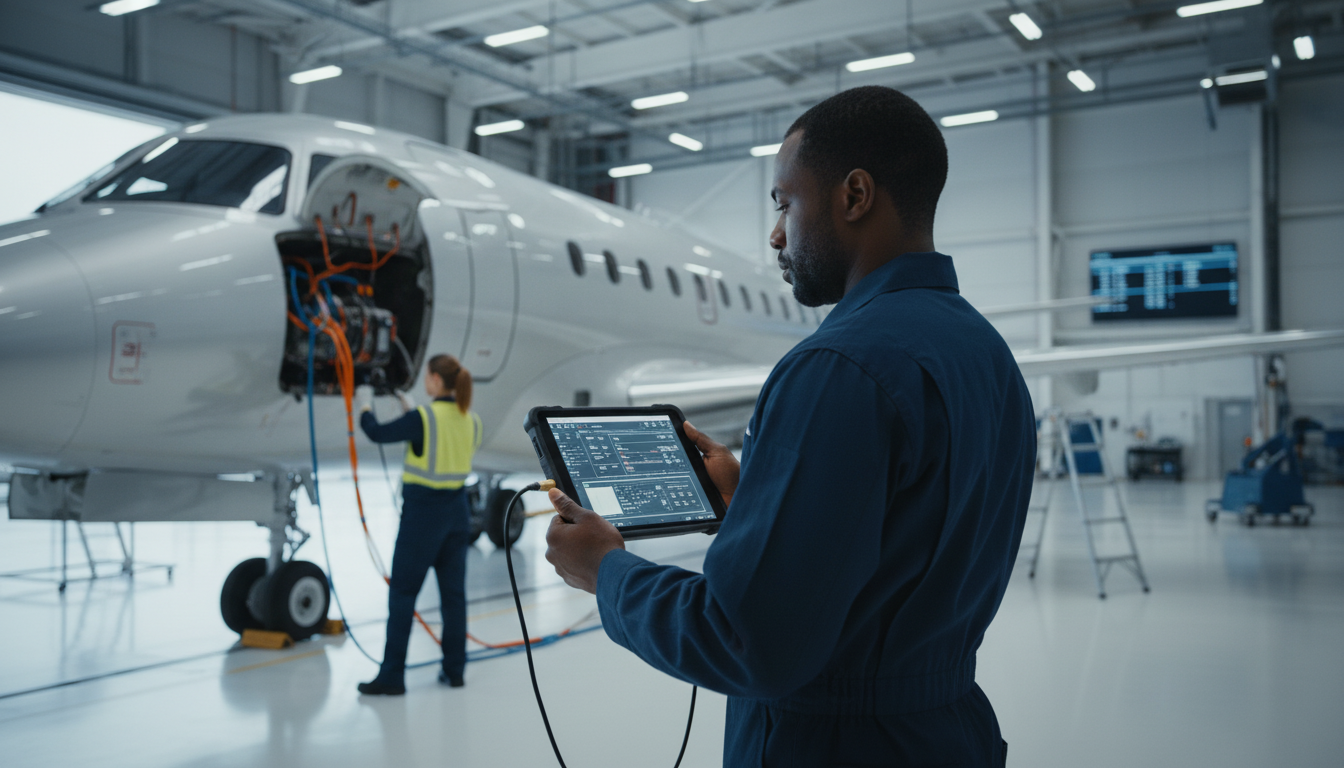
The arrival of electric aircraft does not make the A&P certificate obsolete. If anything, it raises the value of professionals who already have a deep foundation in airframe and powerplant systems, and who are ready to build new knowledge on top of that base.
Maintenance work for electric and hybrid-electric aircraft differs from traditional MRO in several concrete ways:
Battery Systems Become Central
The biggest bottleneck for electric aviation is energy density: jet fuel holds roughly 19 to 27 times more usable energy per kilogram than current lithium-ion batteries. This means battery management is critical. Monitoring charge cycles, thermal behavior, and degradation requires specialized diagnostic tools and knowledge that did not exist in traditional A&P training. Solid-state battery development is aimed at reaching energy densities of 500 Wh/kg, double that of current batteries, which would considerably expand the maximum range of battery electric aircraft.
High-Voltage Safety Is Non-Negotiable
Unlike traditional aircraft electrical systems, high-voltage battery packs in electric aircraft carry genuine arc-flash risk. Collins Aerospace has already begun training MRO technicians directly on arc-flash safety and high-energy battery handling. This is a skill set with no direct equivalent in traditional powerplant training.
Digital Diagnostics Replace Manual Troubleshooting
Electric aircraft generate continuous, high-frequency data from power electronics, motor controllers, and battery management systems. Predictive maintenance platforms that analyze this data are becoming standard tools across MRO operations. Aviation maintenance professionals who understand how to interpret and act on that data carry considerably more value within their organizations than those who do not.
Noise Reduction Opens New Operational Contexts
Electric motors produce considerably lower noise levels than jet engines, making noise reduction one of the clearest advantages of electric aircraft for urban mobility applications. This enables electric planes to operate in densely populated areas and at later hours without violating noise ordinances. That creates new maintenance environments, urban vertiports, dormant regional airports reactivated by shorter flights and lower cost operations, each with their own logistical and compliance requirements.
Battery Electric Aircraft and the Emerging Maintenance Skillset
For maintenance professionals, the practical question is: what do I need to learn? The skillset emerging around battery electric aircraft and hybrid-electric systems has a few consistent themes across organizations that are already training for these platforms.
- Electric motor fundamentals: Understanding how an electric motor generates thrust, how motor controllers manage power delivery, and how these systems interact with aircraft flight controls
- Battery chemistry and management: Knowledge of lithium-ion battery cell behavior, thermal runaway risk, safe handling procedures, and the diagnostic software used to monitor battery health
- Power electronics: Understanding inverters, converters, and the distribution architecture that moves electrical energy from storage to propulsion
- Regulatory awareness: The FAA published its foundational powered-lift certification framework in October 2024, and standards for maintaining these aircraft are actively developing, staying current with evolving requirements is part of the job
- Digital diagnostics: Proficiency with the software platforms used to analyze high-frequency system data and generate predictive maintenance schedules
As the aviation industry integrates both conventional and electric aircraft into the same operations, the professionals who can move between them, and who understand the management layer that coordinates both, may pursue leadership roles that most current training programs do not prepare people for.
The Workforce Behind Electric Flight: A Growing Opportunity
The timing of electric flight’s rise coincides with one of the most acute workforce challenges in aviation’s recent history. CAE’s 2025 Aviation Talent Forecast projects that the global aviation industry will need 1,465,000 new professionals over the next decade, including 416,000 aircraft maintenance technicians, driven by fleet expansion, rising travel demand, and a major wave of retirements.
Boeing’s forecast extends the horizon further, projecting global demand for 710,000 new maintenance technicians from 2025 to 2044. Demand continues to outpace supply across every segment of the field.
Electrification adds a new dimension to this shortage. Maintenance organizations will need technicians who can service both the existing conventional fleet and the growing fleet of electric and hybrid-electric aircraft. The professionals who can work across both, and who bring management knowledge to bear on the operational challenges involved, carry value that a technical certificate alone cannot fully represent.
For working aviation professionals considering their next career step, the question is not whether next generation electric technologies will affect your work. They already are. The question is whether you will approach that change as a participant or as a leader.
Why Aviation Professionals Need More Than Technical Skills
There is a meaningful difference between the technician who can service an electric aircraft and the professional who can run a maintenance operation built around one. Management knowledge, in operations, safety compliance, human factors, aviation law, and project management, is what bridges that gap.
Aviation maintenance in an era of electric aircraft will require professionals who can:
- Develop and manage maintenance programs for new aircraft types with limited historical reliability data
- Coordinate training for mixed fleets of conventional and electric aircraft across an organization
- Evaluate vendor relationships for new components, battery management systems, electric motors, power electronics
- Work constructively with regulators as certification standards for electric and hybrid-electric aircraft continue to evolve
- Lead maintenance teams through the safety and cultural shifts that come with adopting new technologies
The Aviation Maintenance Management concentration at Everglades University is designed to equip A&P-certified professionals with exactly this combination. Built for working aviation professionals who already hold FAA Airframe and Powerplant credentials, the program pairs aircraft systems coursework, including Aircraft Engines and Aircraft Systems, with management courses covering operations management, aviation labor relations, aviation insurance and risk management, and project management. The academic foundation complements existing technical experience and supports advancement into management and leadership roles.
Preparing for a career in Aviation at Everglades University

Everglades University is accredited by the Southern Association of Colleges and Schools Commission on Colleges (SACSCOC) to award bachelor’s and master’s degrees. The university offers a full range of aviation programs designed for working professionals at every stage of their career, from recent high school graduates and career changers to military veterans and experienced aviation professionals seeking advancement.
For A&P-certified professionals ready to move into leadership, the Aviation Maintenance Management concentration provides a 120-credit, approximately 40-month academic pathway to a Bachelor of Science Degree with a major in Aviation/Aerospace. FAA certifications and prior learning credits can be applied toward the degree, supporting a faster path to completion.
Other concentrations support different career directions:
- Aviation Safety, for professionals focused on safety management and regulatory compliance
- Aviation Operations Management, for those moving into airport and airline operations leadership
- Aviation Security, for professionals in aviation security roles
- Unmanned Aerial Systems (UAS), for those tracking the drone and autonomous aircraft sector closely adjacent to eVTOL development
Graduate-level options through the Master’s Degree in Aviation Science are available for professionals seeking advanced academic preparation for senior leadership roles.
Programs are available online and across five campus locations in Boca Raton, Miami, Orlando, Sarasota, and Tampa, with flexible scheduling designed to support working adults, career changers, and military veterans. Financial aid is available to those who apply and qualify. Speak with our admissions team to learn more about program options and how prior learning credits may apply to your individual situation.
Frequently Asked Questions
What is an electric aircraft?
An electric aircraft is an aircraft powered by electrical energy rather than traditional aviation fuel or jet engines. Electric aircraft can be full-electric (battery electric aircraft that store electrical energy in battery packs), hybrid-electric (which combine fossil fuel or sustainable aviation fuel with electrical energy storage), or hydrogen-electric (which use hydrogen fuel cells to generate electricity for propulsion). eVTOLs, electric vertical takeoff and landing aircraft, are a growing subcategory focused on urban air mobility applications.
How will electric aircraft affect aviation maintenance?
Electric and hybrid-electric aircraft introduce new systems that require specialized knowledge: high-voltage battery management, electric motor servicing, power electronics diagnostics, and software-driven predictive maintenance platforms. They also change the physical nature of maintenance work, since electric motors have considerably fewer moving parts than combustion engines. Aviation maintenance professionals who develop skills in these areas are positioned to work across both conventional and electric fleet operations.
What is a hybrid-electric aircraft?
A hybrid-electric aircraft uses a combination of a conventional engine, burning fossil fuel or sustainable aviation fuel, alongside an electric propulsion system. The hybrid configuration allows for better energy management and reduced fuel consumption by using electric power during high-demand phases such as takeoff. Programs like the Airbus EcoPulse have completed extensive test flights in hybrid configuration. Hybrid and hydrogen-electric aircraft are also predicted to capture longer-range routes in the fixed-wing sub-regional segment as the technology matures.
Will electric aircraft replace conventional planes?
Not across the board, and not in the near term. Current battery energy density limits all-electric aircraft to shorter flights, typically under 250 miles, making them most suitable for short commuter flights, urban air mobility, and regional transport. The aviation industry is years away from a fully electric commercial aircraft capable of long-haul journeys carrying hundreds of passengers. Conventional large commercial aircraft will continue to serve long-haul routes for the foreseeable future. Electric and hybrid-electric aircraft will progressively expand their share of shorter routes as battery technology and charging infrastructure improve.
What skills should aviation maintenance technicians develop now?
Key areas include: high-voltage safety and battery management, electric motor and power electronics fundamentals, predictive maintenance platforms and digital diagnostics, and regulatory awareness as FAA standards for electric and hybrid-electric aircraft continue to develop. Combining these technical skills with formal management education, through a program like Everglades University’s Aviation Maintenance Management concentration, supports career-focused learning that prepares professionals for leadership across a changing fleet.